







Search Results for: Special Grade 2
Detailed Explanation of Yunnan Coffee Grade 2 Classification Standards: A Full Analysis of Physical, Chemical, and Hygiene Indicators and Quality Grades
Yunnan is a major coffee-producing region in China, and its coffee bean grading system is crucial for quality control. What tier does Special Grade 2 occupy? This article breaks down the specific requirements for Yunnan coffee beans at Special Grade 2 one by one, from appearance and sensory attributes, physical indicators, and chemical indicators to hygiene standards, including hard data such as a granule size of 7.1 mm, broken beans not exceeding 10%, and moisture content ≤12.5%. Understanding these standards not only helps you judge coffee bean quality but also helps you make wiser choices when purchasing. Front Street Coffee will also share related product information in the article, making it suitable for coffee enthusiasts who want to gain a deeper understanding of the grading logic for Yunnan beans. [more…]
Why Doesn't Brazilian Coffee Have a NY1 Grade? A Full Analysis of the Cerrado Region's Flavor and Grading Standards
In the coffee-producing regions' grading systems, Brazil is a special case—its highest grade is not 1 but 2. Why does this happen? By what standards exactly are Brazilian coffees graded? Front Street Coffee takes you deep into Brazil's coffee grading system, breaking down the logic behind NY2 one by one, from defect rates and bean size to cup profile. We'll also discuss the flavor characteristics of coffee from Brazil's Cerrado region, and look at Front Street Coffee's daily drinking series—the Brazil Cerrado and the Front Street Coffee Brazil Queen's Farm Yellow Bourbon—to see how these two top-grade Brazilian coffees actually perform. [more…]
Analysis of Flavor Characteristics and Origin of Indonesian Sumatra Special Grade Mandheling Specialty Coffee Beans
In an era before Blue Mountain coffee rose to fame, Mandheling from Sumatra, Indonesia, was once widely recognized as the finest coffee variety in the world. This archipelago, straddling the equator, nurtures coffee beans with intense flavors and distinctive character thanks to its unique terroir. This article will guide you through the origins of Grade 1 Mandheling, its taste and aroma characteristics under a City Roast profile, and its unique place in the world of coffee. From its rich, full-bodied taste to its alluring caramel-like aroma, and from the visual differences between green and roasted beans, Front Street Coffee invites you to explore every aspect of this classic coffee. [more…]
Colombian Coffee Bean Origin Grading and Variety Flavor Analysis: From Southern Specialty to Four Front Street Coffee Recommendations
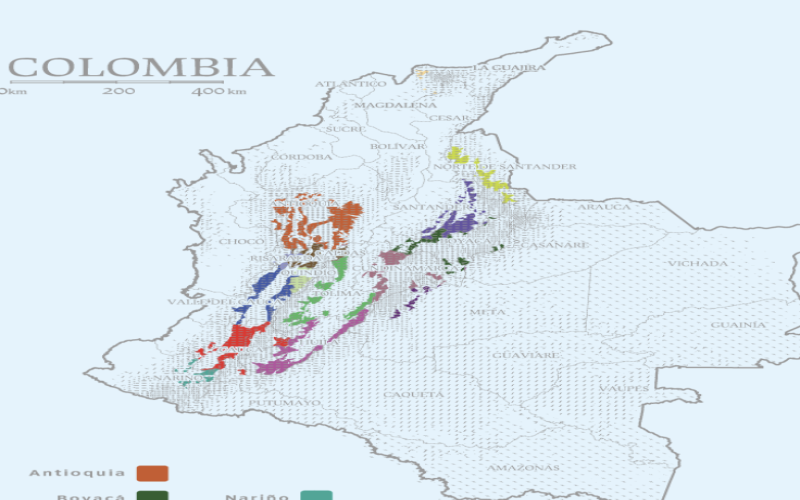
Colombia lies between 3 and 8 degrees north latitude, where volcanic ash soil and high altitudes of 1,200 to 2,050 meters provide superior growing conditions for Arabica coffee. But not all coffee in the country qualifies as specialty—the southern growing regions are known for refined acidity and berry-like sweetness, while commercial beans from the central and northern regions have pronounced fruity acidity but somewhat less complexity. Colombia also grades beans by screen size into Supremo, Excelso and Extra, and further classifies them by defect rate into AA, A and Special Grade. Front Street Coffee currently offers four Colombian beans, all from southern growing regions and all Supremo grade, covering washed, anaerobic natural and double anaerobic washed processing methods, each with its own distinctive flavor profile. [more…]
A Detailed Explanation of the Grade Classifications of Panama Hacienda La Esmeralda Geisha Coffee: Differences Between Red, Green, and Blue Labels and Cupping Flavors
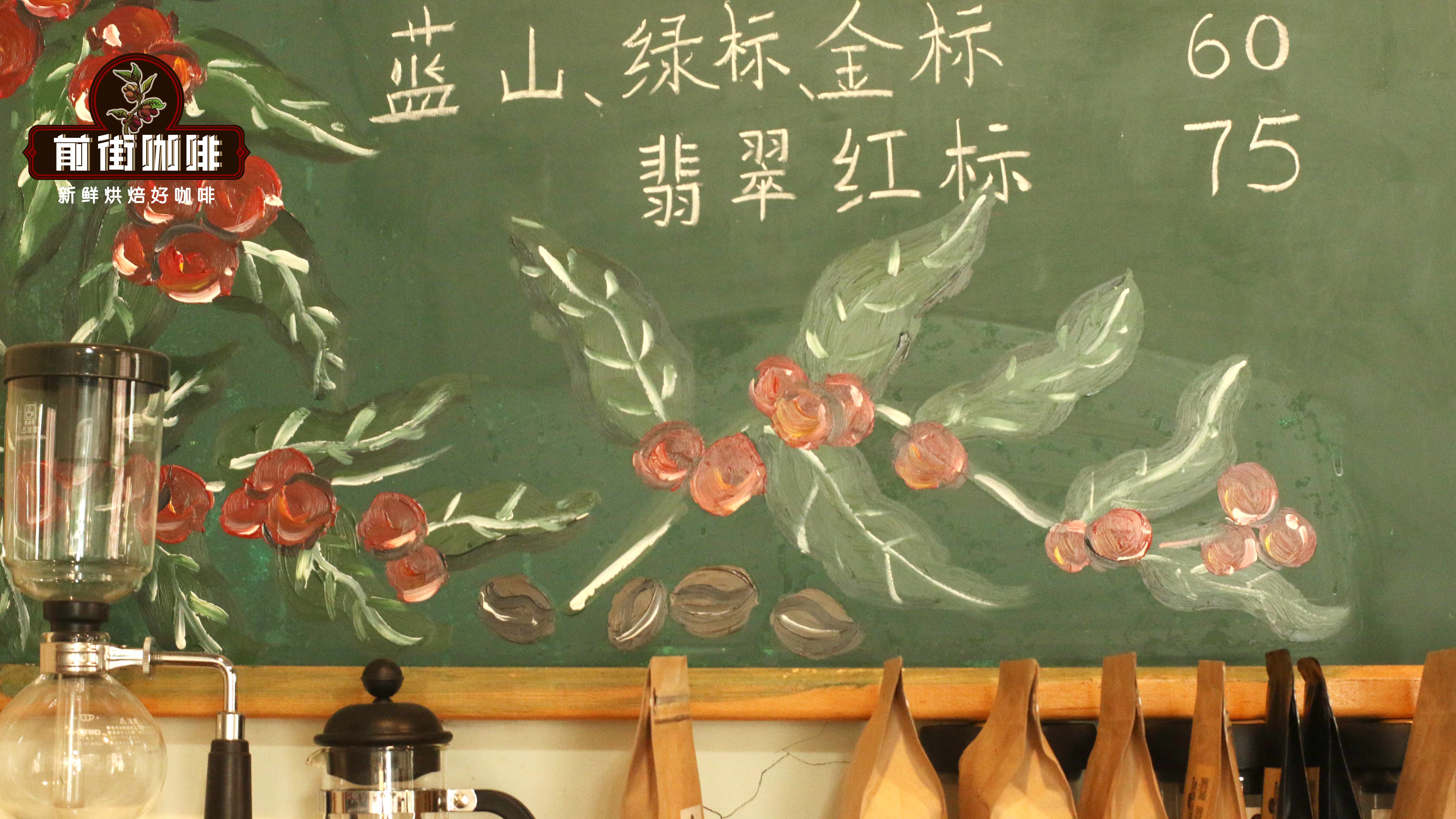
Hacienda La Esmeralda in Panama is the discoverer and promoter of the Geisha flavor, and its original grading system classifies Geisha coffee into different grades such as Red Label, Green Label, and Blue Label according to altitude and cupping performance. From the perspective of Front Street Coffee, this article systematically reviews the four major brand systems of Hacienda La Esmeralda, explains in detail the origin, altitude, processing method, and flavor differences of Red Label (Esmeralda Special), Green Label (Private Collection), and Blue Label (Geisha 1500), and also introduces the climatic advantages of Panamanian coffee, the characteristics of Janson Estate and Hartmann Estate, as well as Front Street's roasting approach, brewing parameters, and cupping performance for three Geisha coffees, providing coffee enthusiasts with a complete guide to Geisha grades. [more…]
An In-Depth Explanation of the Meaning of 90+ Single-Origin Bean L195: A Complete Guide to the Flavor Description System and Grading Rules
90+ (Ninety Plus) is a highly regarded green coffee brand in the specialty coffee world, and its unique flavor symbols and Level grading system often leave enthusiasts confused. This article will start with the L195 grade, systematically sorting out 90+'s grading logic, the meanings of its flavor symbols, its exclusive processing methods (Red, Ruby, Solkiln), and the Profile Processing production system. At the same time, it will explain in detail the representative 90+ coffees recommended by Front Street Coffee, including the flavor characteristics of beans such as Perci, Straight Talk, and Lotus, and their corresponding grades, helping readers fully understand this legendary brand's green coffee philosophy. [more…]
What makes Golden Mandheling coffee so special? A full analysis of Indonesian Mandheling classic herbal-flavor espresso blend beans
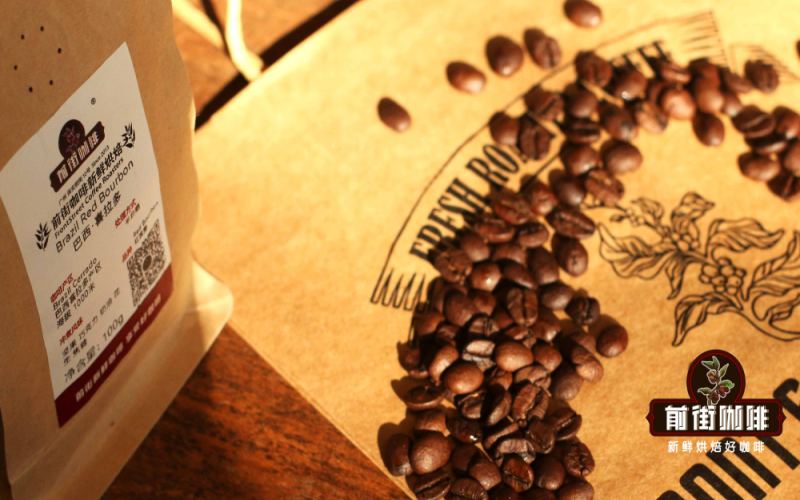
Coffee lovers who enjoy low-acid, full-bodied coffee with a distinctive herbal aroma are certainly familiar with Mandheling. And Golden Mandheling, as a premium lot among them, is even more memorable for its clean mouthfeel and pine-like fragrance. This article will walk you through the differences between Mandheling and Golden Mandheling, introduce the Sumatra producing region of Indonesia, explain PWN's quality assurance, and share the roasting characteristics and brewing suggestions for Front Street Golden Mandheling. In addition, we'll introduce an espresso blend that highlights Mandheling's wild aroma—Front Street Classic Blend—along with specific parameters for making espresso, Americano, and hot lattes with it, so you can easily recreate classic flavors at home. [more…]
How to Brew Colombian Decaf Coffee? A Full Breakdown of Pour-Over Parameters, Price, and the Swiss Water Process
Decaf coffee is not completely caffeine-free; rather, it is coffee that has had its caffeine content significantly reduced through special processes. Starting with the Colombian Huila Swiss Water Process decaf coffee beans sold by Front Street Coffee, this article systematically goes over the definition of decaf coffee, the four major decaffeination methods, the terroir characteristics of Colombia's Huila region, the traits of varieties such as Typica and Caturra, and the actual roasting curve and cupping and brewing recommendations from Front Street's roaster. If you care about whether decaf coffee tastes good, how to set pour-over parameters, and roughly how much a cup costs, this article will provide a complete reference. [more…]
What makes Indonesian coffee special? Decoding the flavor secrets of Golden Mandheling and wet-hulled processing
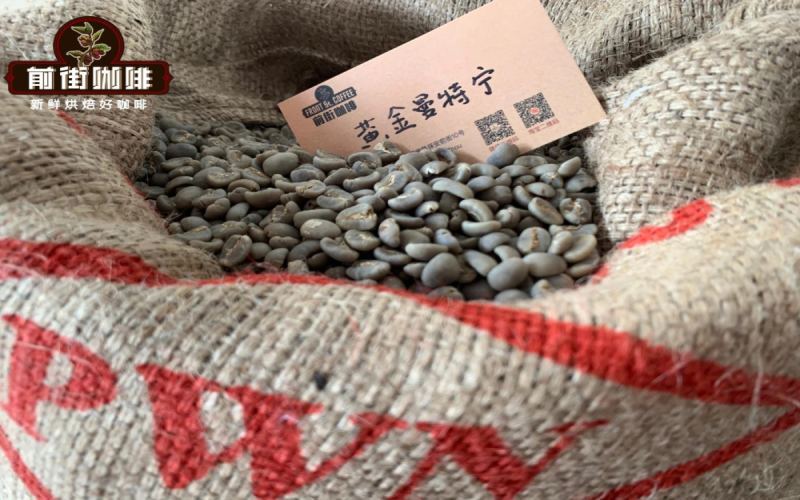
Indonesian coffee, with Mandheling's rich, full-bodied taste and distinctive herbal spice aroma, has become a force that cannot be overlooked in the world of specialty coffee. Among these, the Golden Mandheling produced by PWN, known for its triple hand-sorting and strict quality control, is regarded as a representative of Indonesian specialty coffee. This article will start with Front Street PWN Golden Mandheling coffee, sorting through the green bean grading system of Indonesian coffee, the origins and characteristics of the wet-hulling process, and how the terroir of Sumatra shapes Mandheling's classic flavor. At the same time, it shares brewing parameters and extraction suggestions for medium-dark roasted Mandheling, helping coffee enthusiasts gain a more comprehensive understanding of what makes Indonesian coffee unique. [more…]
PWN Golden Mandheling Coffee Beans in Detail: Origin Story, Grade Standards, Price Tiers, and Brewing Suggestions
Among the beans from Indonesia's many coffee-growing regions, Front Street Golden Mandheling stands out for its full, uniform bean appearance, clean and crisp flavor profile, and rich, rounded mouthfeel. Whether enjoyed as an everyday single-origin pour-over black coffee or given as a premium gift to friends and family, it is an excellent choice. What exactly makes this bean so special? Why does it surpass G1, Indonesia's highest green bean grade? And where does the name "Mandheling" come from? This article will focus on PWN's Golden Mandheling coffee beans, covering everything from sourcing at origin, hand sorting, trademark certification, historical origins, to roasting recommendations, taking you through a comprehensive understanding of this Indonesian specialty coffee's story and quality advantages. [more…]
kenya coffee|What do Kenya coffee AA, AA+, and Top mean? What are the green bean grading standards for Kenyan coffee?
Friends who frequently buy coffee beans will surely notice that most coffee bean names are followed by English suffixes such as AA and AB. This is especially true for Kenyan coffee beans—Kenya AA, Kenya AB, Kenya PB, Kenya AA+, Top, and so on. "So what do these suffixes mean? [more…]
Analysis of the Flavor Characteristics of Colombian Decaf Coffee: Differences Between the Swiss Water Decaffeination Process and Regular Coffee
Decaf coffee has gradually entered the public eye, becoming a new choice for people who want to enjoy coffee flavor while controlling their caffeine intake. However, many people still have questions about the production principles of decaf coffee, decaffeination methods, and how it differs from regular coffee. This article starts from the Colombia Huila Swiss Water Process decaf coffee listed by Front Street Coffee, and systematically sorts out the definition of decaf coffee, caffeine content standards, and the operating mechanisms of mainstream decaffeination processes, while also providing an in-depth analysis of the specific procedures of the Swiss Water Process. At the same time, it explores the real reasons why decaf coffee often tastes poor, and, combined with the varieties, grades, and cupping performance of the Colombia Huila producing region, provides coffee enthusiasts with a comprehensive cognitive framework for decaf coffee. [more…]
Sumatra Aceh Lake Tawar Longberry Dragon Fruit Coffee: Variety Characteristics, Wet-Hulled Processing, and Flavor Analysis
Sumatra Mandheling coffee from Indonesia is famous for its full body and low acidity, and within this producing region there is a rather special variety—Longberry. It comes from the Gayo highlands by Lake Tawar in Aceh Province, has an elongated bean shape, is a natural mutation of Typica, and its cultivation history can be traced back three centuries. This Sumatra·Lake Tawar Wet-Hulled Longberry offered by Front Street Coffee uses wet-hulled processing and presents flavor notes of spicy fruit, herbal spices, and clean acidity. This article will guide you through a comprehensive understanding of this rare long-shaped Mandheling by covering the regional terroir, the origin of the variety, the processing method, and Front Street's roasting and brewing recommendations. [more…]
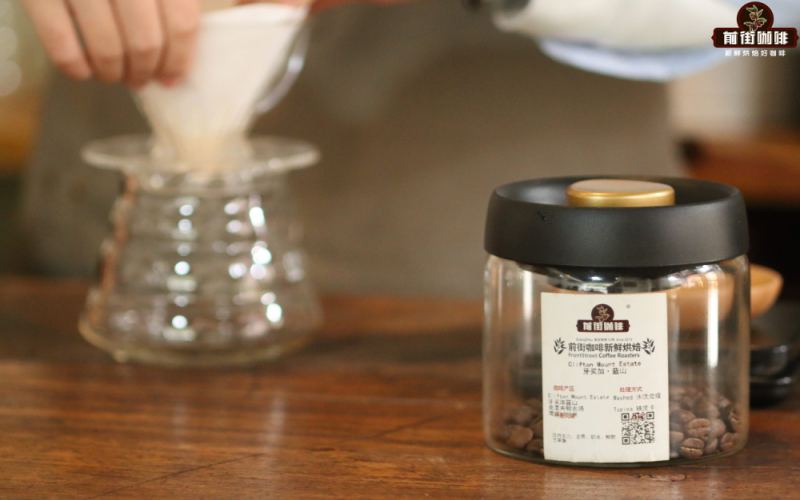
Blue Mountain Coffee: A Full Analysis of Flavor Characteristics, Grade Classification, and Differences from Regular Coffee
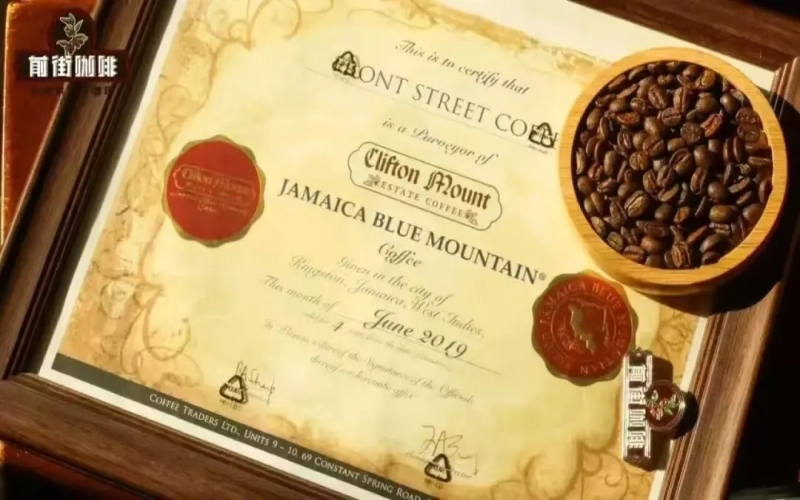
Blue Mountain coffee was once the pinnacle of the coffee world, and it still draws many enthusiasts on special pilgrimages to this day. As one of the few shops that sells authentic Blue Mountain coffee in person, Front Street Coffee regularly welcomes guests who come to check it out after hearing about it. Yet many people still know surprisingly little about Blue Mountain coffee. This article will take you deeper into the authentic taste profile of Blue Mountain coffee, how it differs from ordinary coffee, the classification of Blue Mountain coffee, and how Front Street uses pour-over to bring out the rich, full-bodied flavor of Blue Mountain No. 1. At the same time, we will also clarify the common chaos of fake Blue Mountain coffee on the market, and introduce the origin certification, grading standards, and brewing details of Jamaican Blue Mountain coffee. [more…]

Exploring Asia's Three Major Coffee-Producing Countries: Bean Flavors and Human Stories from Indonesia, India, and Vietnam
The Asian coffee-producing regions occupy a unique position in the global coffee landscape, known for their rich, full-bodied flavor profiles. Front Street Coffee has always been dedicated to tasting coffee beans from around the world, comparing different varieties, origins, and processing methods, and building a visual flavor database to help coffee enthusiasts gain a deeper understanding of the coffee world. This article focuses on Asia's three major coffee-producing countries—Indonesia, India, and Vietnam—outlining their respective coffee development histories, growing environments, variety characteristics, processing techniques, and signature flavors. From Indonesia's Mandheling, Java, and Sulawesi, to India's Monsooned Malabar and Robusta Kaapi Royale, and then to Vietnam's distinctive drip coffee with condensed milk, egg coffee, and yogurt coffee, we present one by one the diverse facets and cultural richness of Asian coffee. [more…]
A Comprehensive Analysis of the Basis for Coffee Bean Specification and Grade Classification: Industry Standards from Washing Methods to Altitude Quality
The world of coffee beans is far more complex than that smudge of amber in your cup. From the small white jasmine-like flowers on the branch to the green raw beans in the processing plant, every coffee bean has undergone layer upon layer of selection by climate, altitude, variety, and processing method. There are about sixty coffee-producing countries worldwide, each grading coffee according to whether it is washed, whether the bean shape is flat or round, bean size, cultivation altitude, defect rate, and even taste tests. The two major varieties, Arabica and Robusta, each hold their own in terms of yield and flavor, while new crop, one-year-old, and multi-year-old beans each have their own character. Understanding these specifications and grading standards not only helps enthusiasts decipher the terminology on packaging, but also understand why beans from the same origin can present such a kaleidoscope of flavors. This article will start from basic common knowledge and systematically sort out the grading logic and refining process of coffee beans. [more…]

An In-Depth Analysis of the Grade Classification and Scarcity Characteristics of Panama Hacienda La Esmeralda Black Label Geisha Coffee Beans
In recent years, the popularity of Geisha in the specialty coffee world has continued to climb, and Hacienda La Esmeralda in Panama, as the core estate that propelled this variety to its peak, has always drawn close attention for its grading system. Besides the familiar Red Label, Green Label, and auction lots, a new grade called "Black Label" has quietly appeared on the market—not only is it expensive with extremely low production, but information about it is also rather mysterious. This article will systematically sort out the Geisha grading framework of Hacienda La Esmeralda and take a deep dive into the definition of Black Label Geisha, its source plots, degree of scarcity, and the experimental processing techniques involved behind it, helping coffee enthusiasts fully understand the true face of this brand-new grade. [more…]
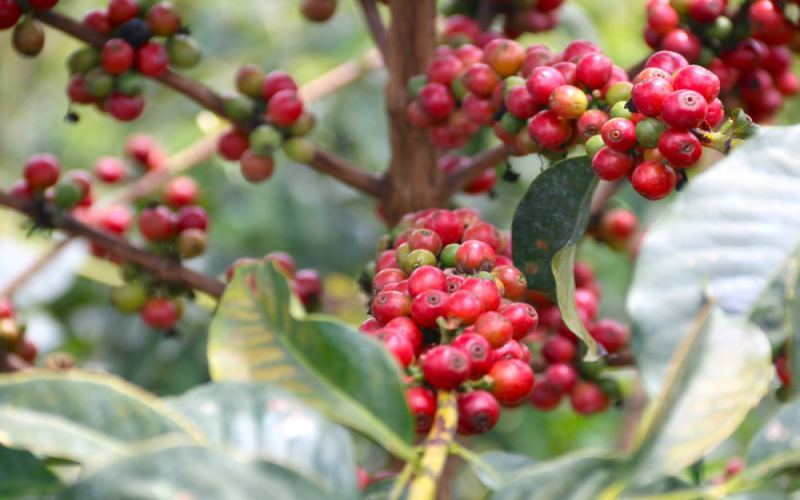
Kenyan Coffee Bean Grading and Flavor Analysis: AA Grade Standards, Regional Characteristics, and Front Street Recommendations
Kenyan coffee is renowned worldwide for its vibrant fruit notes and full body, making it a favorite among many coffee enthusiasts. This article systematically outlines Kenya's coffee grading standards, explaining each tier from AA and AB to PB and E, and provides an in-depth analysis of its unique K72 washing process. It also introduces the altitude, varieties, and harvest periods of core producing regions such as Nyeri, Kirinyaga, and Muranga, along with the brewing parameters and flavor profile of Front Street Coffee's recommended Kenyan Cherry Tomato coffee beans, offering coffee lovers a complete guide to Kenyan coffee. [more…]
The Naming Logic of Mandheling Coffee Beans and a Guide to Identifying the Four Major Categories: A Complete Interpretation from Region to Grade
Walking into Front Street Coffee and facing a dazzling array of coffee beans, many coffee lovers feel completely lost. What exactly gives these coffee beans the right to be named this way? This article will systematically sort out the naming rules for single-origin coffee beans from the perspectives of origin naming, competition titles, estate brands, and processing methods, and will focus on breaking down the four major subtypes of Mandheling coffee—Lintong Mandheling, Golden Mandheling, Tiger Mandheling, and Aged Mandheling—to help you quickly distinguish the differences when buying. At the same time, the article will also explain the grading meanings represented by common suffixes such as G1, AA, and SHB, so that you can understand the information behind coffee bean labels at a glance. [more…]
What brand is Ninety Plus? Uncovering the 90+ coffee bean scoring standards, exclusive processing system, and Panama estate
In the world of specialty coffee, there is one name that is almost synonymous with "ultimate"—Ninety Plus, which we commonly call 90+. What makes it stand out to coffee professionals worldwide? The hard metric of scoring above 90 points in SCAA cupping is only the starting point; what is truly astonishing is its complete control from seed to cup: the exclusive Profile Processing production system, its own Gesha estate in Panama, and a unique system that uses flavor symbols instead of traditional processing method labels. This article gives you a systematic understanding of 90+'s brand core, grading logic, and flavor philosophy, along with practical brewing suggestions from Front Street Coffee for brewing 90+ Candor. [more…]